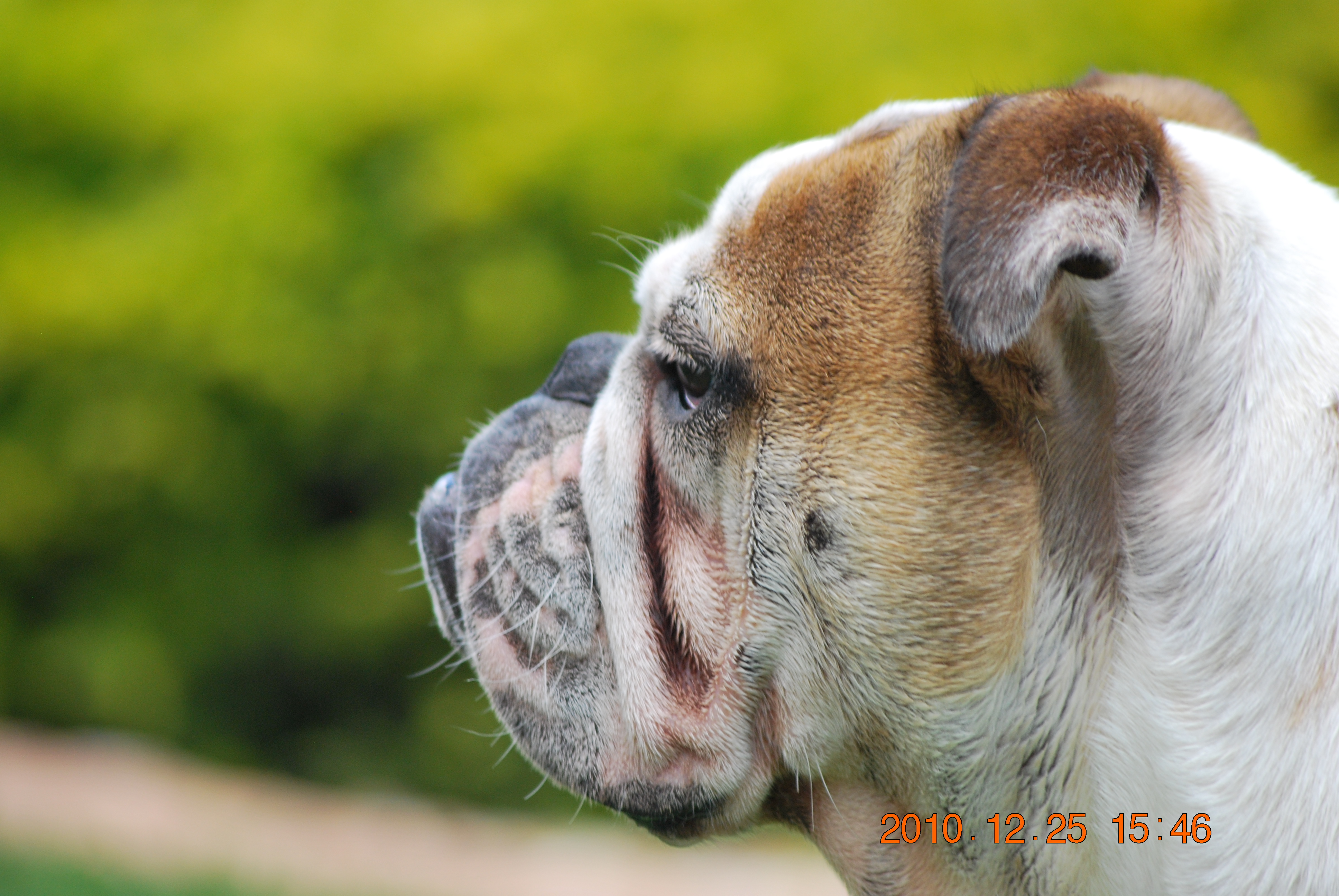
Bulldogs are easy to love. They are affectionate, funny, and usually happiest close to their people. For many households, that calmer, home-oriented temperament is a big part of the appeal.
But Bulldogs are not low-maintenance dogs. Their flat-faced anatomy can affect breathing and heat tolerance, their skin folds need regular care, and extra weight can create more strain than many owners realize. For Bulldog owners in San Rafael, it helps to treat routine care as part of everyday life, not something to think about only when a problem becomes obvious.
A Bulldog may seem relaxed and sturdy, but that does not mean every snore, panting spell, skin flare-up, or drop in stamina should be written off as “just the breed.”
Why Bulldogs appeal to so many owners
Bulldogs tend to bond closely with their families. Many do well in homes that want a companion dog rather than a high-endurance exercise partner. They often enjoy short walks, predictable routines, and plenty of indoor time with the people they know best.
That can make them a good fit for some apartments, smaller homes, and households that want a dog with a lower activity level. In San Rafael, where many owners want a dog that can handle neighborhood walks without needing long outdoor outings every day, that can sound like a great match.
Still, their quieter nature can be misleading. Bulldogs often do best with owners who are observant, practical, and willing to stay ahead of health issues instead of waiting until something small becomes harder to manage.
Breathing and overheating are the biggest day-to-day concerns
The most important health consideration in Bulldogs is their brachycephalic, or flat-faced, anatomy. That head shape is part of the breed’s look, but it can also make airflow less efficient. Narrow nostrils, excess soft tissue in the airway, and other structural features can all contribute to noisy breathing and lower exercise tolerance.
Because noisy breathing is common in Bulldogs, owners sometimes assume it is harmless. It is not always that simple. Loud snoring, frequent panting, noisy breathing while awake, gagging, struggling to recover after mild activity, or looking stressed in warm weather are all worth paying attention to.
Heat tolerance is closely tied to the same issue. Dogs cool themselves mostly by panting. If airflow is already limited, a Bulldog can overheat faster than expected, even during activity that seems mild.
In San Rafael, it does not have to be extremely hot for a Bulldog to get into trouble. A warm afternoon, direct sun, poor airflow, excitement, or time in a parked or poorly ventilated car can all raise the risk. Most Bulldogs do better with shorter walks, cooler times of day, easy access to water, and a cool indoor place to settle afterward.
If a Bulldog has very labored breathing, collapses, develops blue or gray gums, or cannot recover after heat exposure or exercise, that calls for urgent veterinary care.
Skin fold care needs to stay consistent
Bulldogs are also prone to skin fold irritation. The wrinkles that give them so much character can trap moisture, saliva, debris, and bacteria. Over time, that can lead to redness, odor, rubbing, discharge, or painful skin infections.
Not every Bulldog needs the same routine, but most benefit from regular skin-fold checks. Owners should pay close attention to facial wrinkles, the area around the tail if there is a tight tail pocket, and any place where moisture tends to sit. The goal is simple: keep folds clean and dry, and catch irritation early.
Some Bulldogs also deal with broader skin issues, including allergies, recurrent infections, and chronic itchiness. Paw licking, face rubbing, frequent scratching, or repeated ear problems can point to a larger skin pattern that deserves veterinary attention.
That matters because recurring skin trouble is hard to solve well by guesswork alone. A veterinarian can help sort out whether the problem is fold irritation, infection, allergy-related inflammation, or a mix of issues.
Weight control matters more than many people think
Bulldogs do not carry extra weight well. Even moderate weight gain can make breathing less efficient, add strain to joints, reduce stamina, and increase the risk of overheating.
This is easy to miss because Bulldogs are naturally stocky. A solid build is normal for the breed, but there is still a real difference between sturdy and overweight. In Bulldogs, that difference can affect comfort and day-to-day function more than owners expect.
Weight control is a health issue, not a cosmetic one. Keeping a Bulldog leaner can improve mobility, breathing comfort, and tolerance for routine activity. In most homes, that means watching portions, going easy on calorie-dense treats, and staying consistent with moderate daily movement that fits the dog’s condition.
A veterinarian can also help assess body condition more accurately than the scale alone, which is useful in a breed where excess weight can hide in a naturally broad frame.
Other health issues Bulldogs can be prone to
Airway and skin problems get a lot of attention, but they are not the only concerns. Depending on the dog, Bulldogs may also be more prone to joint problems, ear infections, eye irritation, and dental crowding.
Some develop mobility issues as they age, especially if they have carried extra weight for years. Others deal with ear problems that seem minor at first but keep returning. Eye irritation can also happen more easily in dogs with prominent facial features or folds near the eyes.
That does not mean every Bulldog will have major medical problems. It does mean the breed benefits from steady preventive care. Routine exams help establish what is normal for an individual dog, including breathing, weight trend, skin condition, ear health, and mobility over time.
That baseline is useful. If your Bulldog starts tiring more quickly, sounds noisier than usual, develops repeated rashy areas, or simply seems less comfortable, it helps to have a veterinary team that already knows your dog’s normal pattern.
Are Bulldogs a good fit for every home?
Not always. Bulldogs can be wonderful companions, but they are not the easiest match for every lifestyle.
They are usually not ideal for people who want a dog for long hikes, frequent all-day outdoor activity, or warm-weather adventures. They may also be a poor fit for owners who are gone for long stretches and cannot keep an eye on skin, breathing, and overall comfort. For first-time owners expecting a low-maintenance dog, the breed can be more demanding than it first appears.
On the other hand, Bulldogs can be a great fit for people who want a more home-centered companion and are comfortable staying on top of routine care. Many owners find them deeply rewarding because of their affectionate nature and strong bond with family.
The key is realistic expectations. Bulldogs are lovable dogs, but they usually do best when owners appreciate both their charm and their limits.
Why an established vet clinic relationship helps
With Bulldogs, it helps to build a veterinary relationship before a problem turns urgent. These dogs often benefit from early guidance on breathing comfort, skin care, body condition, and signs that should be checked sooner rather than later.
A San Rafael vet clinic can help with routine wellness visits, weight tracking, skin and ear concerns, and practical advice on when changes in breathing, stamina, or comfort need closer attention. Just as important, regular care makes it easier to spot gradual changes early.
For Bulldog owners, that early attention matters. Waiting until breathing sounds much worse, skin problems become painful, or heat stress becomes an emergency can make treatment more difficult than it needed to be.
Bulldogs can be affectionate, entertaining, and deeply loyal companions. For the right household, they can be a great fit. The best approach is to enjoy what makes the breed special while staying practical about breathing, skin care, weight control, and preventive veterinary care from the start.