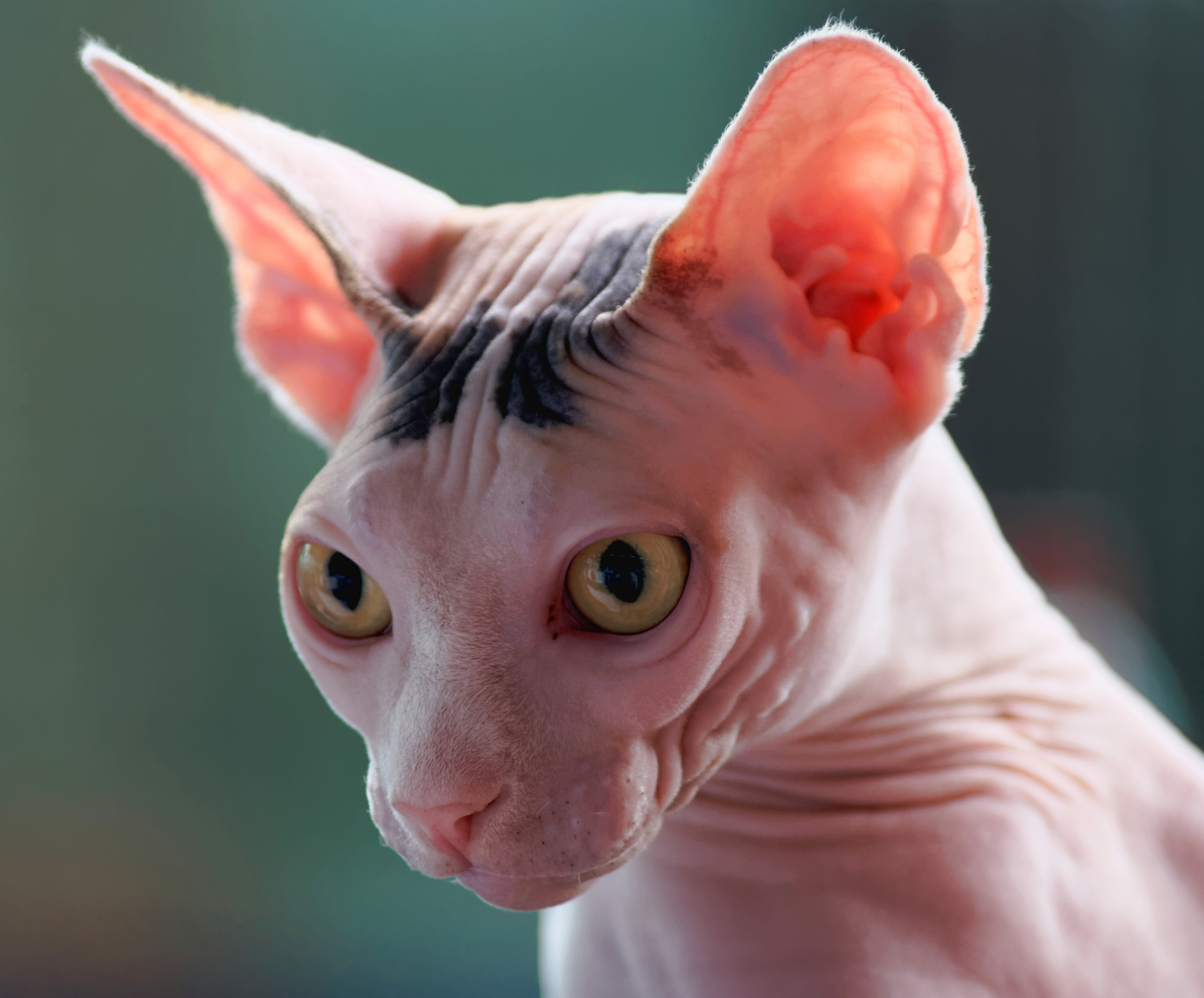
Sphynx cats tend to make an impression. Their look gets the attention, but most owners quickly learn that the breed is really defined by personality and care. Sphynx cats are often affectionate, playful, and unusually interested in what their people are doing. They are also more hands-on than many first-time admirers expect.
If you have a Sphynx or are thinking about bringing one home, it helps to start with realistic expectations. These cats are not truly hairless. Most have a fine peach-fuzz coat, and that small detail affects how their skin behaves, how they handle temperature, and what day-to-day care looks like. For San Rafael owners, where mornings can feel cool and afternoons can warm up quickly, that practical side of care matters.
Why people love the Sphynx personality
Many people fall for the temperament first. Sphynx cats are often social, curious, and eager to stay close to their people. They may follow you from room to room, curl up under a blanket, climb into your lap, or insert themselves into whatever is happening at home.
That closeness is a big part of the breed’s appeal. A Sphynx can be a great match for someone who wants a cat that feels engaged with daily life. Many do best in homes with regular interaction, play, and a predictable routine.
Still, their social nature is not ideal for every household. A Sphynx that is bored, stressed, or left alone for long stretches may become more vocal or restless. In general, they do best in homes that are attentive, stable, and enriching.
No fur does not mean no grooming
One of the biggest misconceptions about Sphynx cats is that they are low-grooming because they do not have a typical coat. In reality, many need more skin care than a short-haired cat.
Most cats distribute skin oils through their coat and normal grooming habits. Sphynx cats do not handle those oils the same way, so buildup can collect on the skin, bedding, ears, and around the nails. Some cats look waxy or feel greasy if their care routine falls behind.
That does not mean every Sphynx needs frequent baths. Bathing schedules vary, and overbathing can dry or irritate the skin. A better approach is to watch your own cat’s skin and adjust gently rather than scrubbing on a fixed schedule.
Routine care may include:
- gently wiping oily areas when needed
- checking skin folds for buildup or irritation
- cleaning the ears if wax collects
- trimming nails and checking around the nail beds
- washing bedding regularly
Skin care should stay gentle. Redness, bumps, scabs, strong odor, or ongoing irritation should not be brushed off as normal for the breed. Those signs can point to infection, allergy, yeast overgrowth, or another skin problem that deserves veterinary attention.
Temperature comfort takes some planning
Sphynx cats are known for seeking warmth, and for good reason. With very little coat coverage, they are more sensitive to temperature than many other cats. Owners often notice them gravitating to sunny windows, blankets, heated beds, or warm laps.
Cool indoor temperatures can be uncomfortable, especially after a bath or in a drafty part of the house. Soft bedding and a stable indoor environment usually make a real difference for this breed.
At the same time, warmth-seeking should not be confused with unlimited heat tolerance. Sphynx cats can also overheat. Direct sun, hot cars, enclosed patios, poorly ventilated rooms, and heavy blankets with no easy escape can all become risky. Lightly pigmented skin may also be more vulnerable to sun exposure.
For San Rafael households, the goal is usually moderation. A Sphynx may want a cozy sleeping spot on a chilly morning but still need a cooler, comfortable room later in the day. In most homes, steady indoor comfort matters more than extra heat.
Skin problems can start small
Because the skin is more visible, small changes can be easier to spot in a Sphynx, but they can also be easy to dismiss at first. Mild oiliness is one thing. Inflamed or uncomfortable skin is another.
It is worth keeping an eye out for:
- red or darkened areas of skin
- crusting, pustules, or acne-like bumps
- increased scratching
- greasy buildup that seems excessive
- sores in skin folds
- discomfort during handling, wiping, or bathing
Chin acne, fold irritation, ear debris, and secondary infections can all occur in this breed. Some cats also react to grooming products, detergents, or baths that are too frequent. The goal is not perfectly spotless skin every day. The goal is comfortable skin and early attention when something changes.
Health concerns owners should know about
Sphynx cats are not defined by medical problems, but owners should know the common concerns associated with the breed. One of the better-known issues is hypertrophic cardiomyopathy, or HCM, a heart disease seen in cats and associated with some breeds, including the Sphynx.
That does not mean every Sphynx will develop heart disease. It does mean heart health is worth discussing regularly with your veterinarian. Some cats with HCM show no obvious signs early on. Others may seem less active, breathe differently, or tolerate exertion less well, though those signs are not specific to HCM alone.
Other areas worth monitoring include:
- dental disease
- weight gain or poor body condition
- chronic skin or ear problems
- digestive upset
- stress-related behavior changes
Because Sphynx cats are often expressive and interactive, owners may notice subtle changes sooner than they would with a more reserved cat. Even so, a cat that still seems social can still be dealing with discomfort.
What a good home fit looks like
A Sphynx can be a wonderful companion, but the breed is usually not effortless. These cats tend to do best with owners who are comfortable with regular maintenance, close observation, and an indoor routine built around comfort.
A Sphynx may be a good fit for people who want:
- a highly interactive cat
- a breed with a lot of personality
- a pet that stays involved in the household routine
- hands-on care that becomes part of everyday life
They may be less suitable for households looking for a very independent, low-maintenance cat, or for owners who do not want to keep up with skin, ear, nail, and temperature-related care.
Why regular veterinary care helps
With a breed like this, veterinary care is about more than vaccines and sick visits. It is also about establishing a baseline. That includes skin condition, weight trends, heart and lung sounds, dental health, and what is normal for that particular cat over time.
That baseline matters because many Sphynx-related concerns develop gradually. Skin irritation may begin as a small change. Weight may shift little by little. Activity, stamina, or breathing may look only slightly different at first. A veterinarian who knows the cat can help sort out what is routine, what should be watched, and what needs a closer look.
For San Rafael owners, having that relationship in place can make day-to-day care feel much more manageable. Whether you are new to the breed or have lived with Sphynx cats for years, it helps to have a local clinic to talk through skin concerns, routine wellness care, and longer-term heart-health monitoring.
The bottom line
Sphynx cats are memorable for their appearance, but life with one is really about temperament, skin care, and comfort. They are often affectionate, funny, and deeply attached to their people. They also need more routine attention than many owners expect.
A practical approach usually works best. Do not assume no coat means no grooming. Do not treat recurring skin changes as cosmetic. Do not overlook temperature sensitivity. And do not wait for a problem to look severe before asking your veterinarian about changes in skin, breathing, weight, or activity.
For the right home, a Sphynx can be an exceptional companion. Realistic expectations and steady preventive care usually make life better for both the cat and the people who love them.